After returning home and reflecting on what was an incredible week both above and below the water, one thing became very clear to me: Sharm El Sheikh really is one of the most accessible diving destinations in the world. And, as a UK traveller it’s practically on our doorstep!
Whether you’re a newly qualified Open Water diver looking to gain experience, an experienced diver chasing bucket-list encounters, or someone simply considering learning to dive for the first time, Sharm offers something for everyone.
You can read my other article here about diving with a toddler in tow!
One of the biggest questions I get asked as a travel consultant is:
“When is the best time to dive Sharm El Sheikh?”
The good news is that there isn’t really a bad time.
The Red Sea offers year-round diving, with each season bringing different conditions, water temperatures and marine life encounters.
Winter Diving in Sharm El Sheikh (December to February)
Winter is often overlooked by divers, but it has plenty of advantages.
Air temperatures usually range between 20°C and 25°C during the day, making sightseeing and exploring the area very comfortable. Evenings can feel surprisingly cool, so it’s worth packing a jumper or light jacket.
Underwater, temperatures generally sit between 22°C and 24°C.
For some divers this feels perfectly comfortable.
For me? Let’s just say I’d still be wearing every layer I could possibly get away with.
Winter often brings excellent visibility and quieter dive sites, making it an ideal time for photographers and those wanting to avoid peak holiday crowds.
Common sightings include:
- Turtles
- Napoleon wrasse
- Crocodile fish
- Moray eels
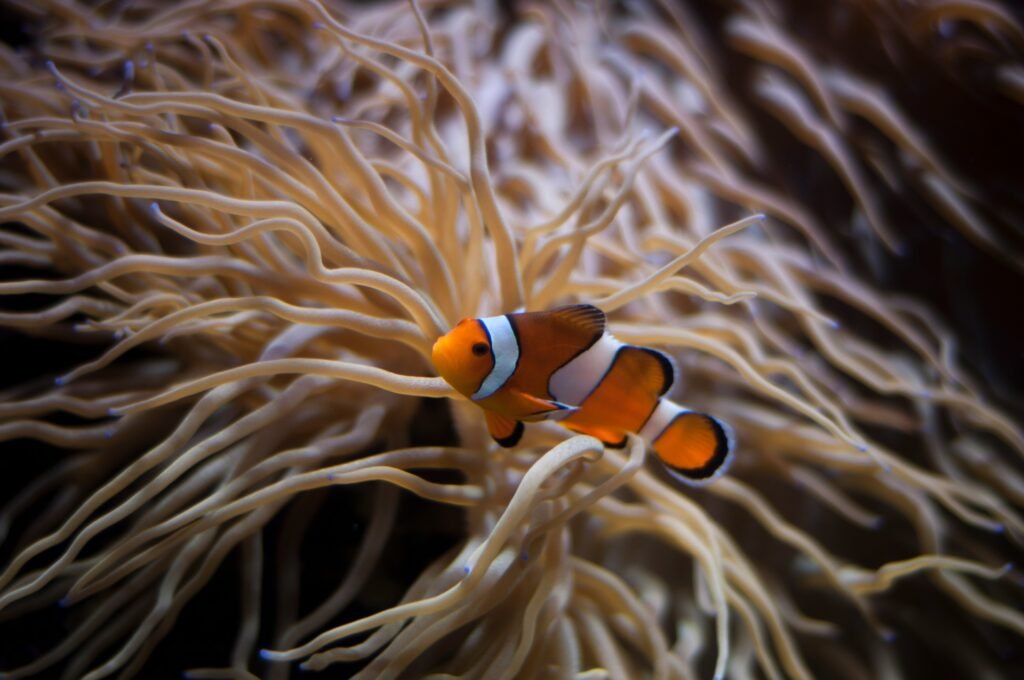
- Clownfish
- Eagle rays
- Large schools of reef fish
Spring Diving in Sharm El Sheikh (March to May)
Spring is arguably one of the best times of year to visit.
Why choose Sharm El Sheikh or anywhere in the Red Sea as your next diving adventure
The weather is warm without being oppressive, with daytime temperatures generally ranging between 24°C and 32°C.
Water temperatures begin to climb from around 23°C in March to approximately 26°C by May.
Marine life becomes increasingly active during this period and the reefs look particularly vibrant.
Divers may encounter:
- Barracuda
- Tuna
- Reef sharks
- Napoleon wrasse
- Turtles
- Large schools of snapper and jackfish
Visibility is typically excellent and sea conditions are often calm, making this a fantastic season for both beginners and experienced divers.
Summer Diving in Sharm El Sheikh (June to August)
Summer is when Sharm really turns up the heat.
Daytime temperatures regularly reach 35°C to 40°C and occasionally climb even higher.
Travelling with a toddler, we quickly adopted a strategy of avoiding the midday sun wherever possible. While I was diving, my husband and son would often retreat to the air-conditioned room during the hottest part of the afternoon.
Water temperatures during summer range between 27°C and 29°C, making for wonderfully comfortable diving conditions.
This is also when larger pelagic species become more common.
Keep your eyes open for:
- Oceanic whitetip sharks
- Hammerhead sharks
- Giant trevally
- Tuna
- Barracuda
- Eagle rays
The reefs are alive with activity and colour during these months.
Autumn Diving in Sharm El Sheikh (September to November)
If someone asked me to choose just one season to recommend, autumn would probably get my vote.
The summer heat begins to ease, yet the sea remains beautifully warm after months of sunshine.
Air temperatures generally range between 28°C and 35°C in September before gradually cooling as winter approaches.
Water temperatures remain between 26°C and 28°C.
Autumn is particularly exciting because it’s often associated with encounters with larger marine life.
Depending on luck and conditions, divers may encounter:
- Whale sharks
- Manta rays
- Oceanic whitetip sharks
- Dolphins
- Napoleon wrasse
- Turtles
- Huge schools of barracuda
Many experienced Red Sea divers consider autumn to be one of the best diving seasons of the year.
What Marine Life Can You Expect to See?
One of the reasons divers keep returning to the Red Sea is the sheer diversity of marine life.
Even during my relatively short trip, I encountered turtles, rays, clownfish, crocodile fish, Napoleon wrasse and countless reef fish.
Depending on the season and dive site, visitors may also see:
- Green turtles
- Hawksbill turtles
- Blue-spotted stingrays
- Eagle rays
- Manta rays
- Reef sharks
- Hammerhead sharks
- Oceanic whitetip sharks
- Dolphins
- Barracuda
- Giant trevally
- Moray eels
- Napoleon wrasse
And of course, some of the healthiest and most colourful coral reefs you’ll find anywhere in the world.
Is Sharm El Sheikh Suitable for Beginner Divers?
Absolutely.
One of the things I love most about Sharm El Sheikh is that it caters to every level of diver.
If you’ve recently completed your Open Water qualification, there are plenty of calm and sheltered dive sites where you can build confidence and experience.
If you’re more experienced, sites such as Shark Reef, Yolanda Reef and the Straits of Tiran offer spectacular walls, currents and opportunities to encounter larger marine life.
As someone who still occasionally questions whether I’m “experienced enough” despite having nearly 100 dives, this trip was a great reminder that diving isn’t about comparing yourself to others.
It’s about enjoying the underwater world, continuing to learn and making memories you’ll still be talking about years later.