
What you need to know (Easter 2026)
If you’re heading to Europe this Easter or later in 2026, there’s an important change to how border control works. The EU has introduced a new system called the Entry/Exit System (EES), and it affects UK travellers. Here’s a simple breakdown.
What is the EES?
The Entry/Exit System (EES) is a new digital border system for non-EU travellers, including British passport holders. Instead of stamping your passport, border officials will:
- Take your fingerprints
- Take a photo of your face
- Record your passport details digitally
This creates a record of when you enter and leave the EU.
What is the Schengen Area?
The Schengen Area is a group of European countries that have no internal border checks between each other and one shared external border system. This means that once you enter one Schengen country, you can usually travel freely to others without showing your passport again.
Countries in the Schengen Area include France, Spain, Italy, Germany, Greece, the Netherlands, and most other EU countries.
Countries not in the Schengen Area include Ireland and Cyprus. If you are travelling to countries like Spain or France, these new rules apply.
Who does this apply to?
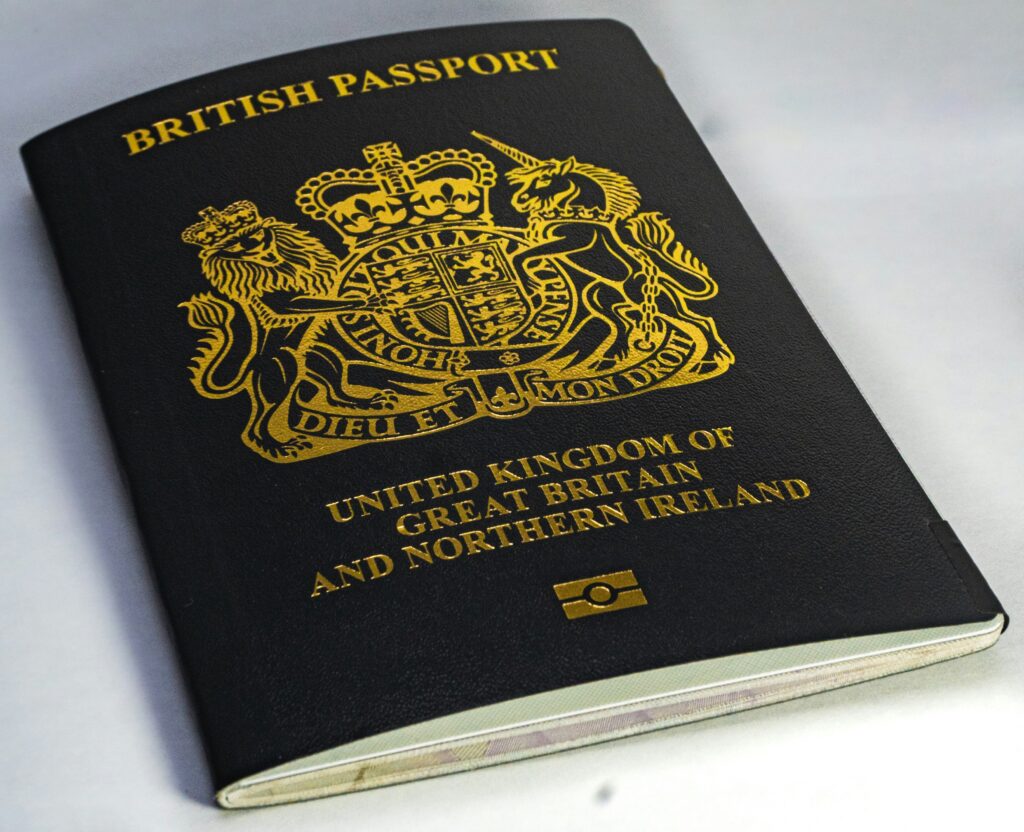
If you have a British passport and are travelling to most European countries in the Schengen Area, the EES rules apply. It does not apply when travelling to Ireland or Cyprus.
When is this happening?
The system has been rolling out since late 2025 and is expected to be fully in place from 10th April 2026. This means Easter and summer holidays could be busy while everything settles in.
Will it slow things down?
Initially, there may be some delays:
- First-time users need to register their biometrics, which can take a few extra minutes.
- Some border points may run old and new systems simultaneously.
Travellers should expect longer queues, especially during peak periods like Easter.
Good news: it gets easier
Once you’ve registered, your data is stored for three years, and future trips should be quicker. You will usually only need to scan your face or fingerprint.
Where will checks happen?
It depends on your mode of travel:
- Flying: checks happen when you arrive in the EU.
- Eurostar, Eurotunnel, or driving via Dover: checks may happen before you leave the UK.
Do you need to do anything before you travel?
No pre-registration is needed, and there is no fee to use EES. Just bring your passport and allow extra time at the airport or port.
Important rule to remember
The system will track how long you stay. You can only spend 90 days in any 180-day period in the Schengen Area. Overstaying could cause problems on future trips.
Always remember to check your passport expiry date long before you travel – just incase you need to renew it!
What’s coming next?
Later in 2026, another system called ETIAS is expected. This will likely require travellers to fill in an online form before travel and pay a small fee. However, you do not need to do anything about this yet.